

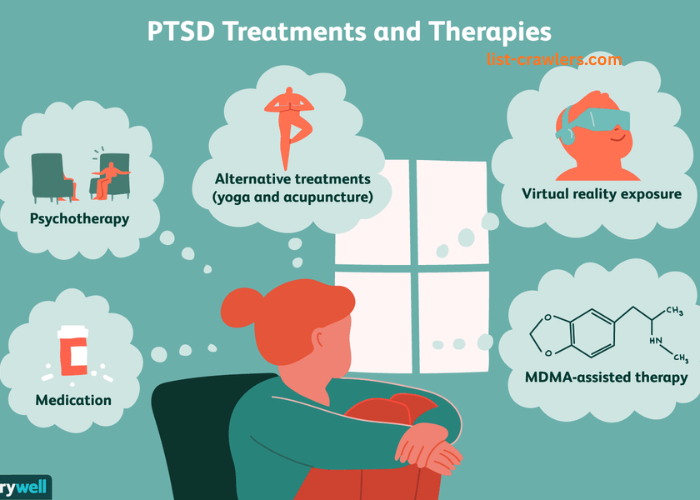
PTSD affects how a person thinks, feels, and reacts after experiencing a traumatic event. Its symptoms may include recurring memories, difficulty sleeping, or sudden emotional shifts. These responses can interfere with daily routines and personal connections, even long after the trauma has passed.
Well-known organizations like Cura Behavioral Health provide structured therapy plans that aim to support individuals in stabilizing their mental state and understanding how trauma affects them now. Therapy creates an environment where people can explore their thoughts and reactions without pressure.
Address Thought and Memory Responses
PTSD therapy helps individuals understand how their thoughts have changed after trauma. In some cases, people begin to associate neutral events or places with the original experience. These associations can create patterns that interrupt decision-making, focus, and emotional regulation. Therapy identifies these patterns and helps reframe them over time.
Treatment also explores memory responses that may cause distress. Individuals may experience intense emotional shifts when exposed to sounds, sights, or words connected to the trauma. With support, people begin to recognize that their reactions are valid while learning how to respond in ways that feel safer and more manageable.
Reinforce Emotional Awareness
Therapy builds awareness of emotional shifts that may seem sudden or confusing. Individuals often experience fear, guilt, or frustration that feels disconnected from their current environment. Identifying how these emotions relate to past trauma becomes a key focus of therapy.
Sessions support people in tracking their reactions across different situations. Once patterns are clearer, therapy introduces approaches for organizing thoughts and adjusting responses. This promotes better control of emotions in moments of stress or uncertainty.
Introduce Reliable Coping Tools
Supportive tools introduced in therapy help reduce reactions linked to past trauma. They offer individuals choices in how they respond during difficult moments. These tools are practical and designed to be applied during real-life stressors.
Some tools may include:
- Repeating steady breathing cycles to restore calm
- Identifying five visible objects to regain focus
- Keeping a written list of emotional cues
- Practicing slow muscle relaxation before sleeping
- Writing brief daily notes to track changes
Strengthen Relationship Confidence
People managing PTSD may feel unsure in social spaces. Their behavior might change based on how safe they feel around others. Therapy explores how past events have shaped current communication patterns. These patterns can include avoidance, silence, or over-explaining feelings to seek reassurance.
Sessions help restore confidence in interactions by introducing strategies for mutual understanding. Role-based exercises and conversation planning help individuals engage more comfortably with others. This strengthens bonds without expecting others to fully understand the trauma.
Support Long-Term Mental Clarity
Reputed organizations like Cura Behavioral Health align their services with structured and steady progress. PTSD therapy offers consistent guidance toward clarity and calm. It supports individuals in managing their day-to-day experience without removing personal agency.
The goal is to help people learn new ways to interpret challenges and connect meaningfully with others again. With each session, they develop greater awareness, control, and trust in their own growth. Therapy becomes a steady resource that supports recovery with every step forward.
Ways to Find a Good Therapist or Center
Start by identifying what kind of support is needed. For PTSD, focus on therapists who use proven methods like EMDR or cognitive processing therapy. Check their credentials and look for clear experience in trauma-focused care.
Schedule a consultation to see how they communicate and structure sessions. Ask about their approach to PTSD, how they track progress, and what to expect over time. If choosing a center, look for programs that involve a full support team with clear coordination. Comfort, clarity, and consistency are key signs of a good fit.