
The NBA All-Star Game has always been more than an exhibition—it’s a celebration of basketball at its most electrifying. From jaw-dropping dunks to record-breaking scoring nights, the annual showcase has produced moments that live on in league history. Fans tune in not only for elite competition but also for the spectacle: celebrity appearances, halftime performances, and unforgettable player matchups.
In the modern era, engagement around the event has expanded beyond the court. Fans debate starting lineups, MVP picks, and even NBA odds on DraftKings in the lead-up to tip-off, adding another layer of excitement to an already star-studded weekend.
Looking back, several All-Star Games stand out as truly iconic—either for their drama, individual brilliance, or historical significance.
1988 — Chicago’s House Party
The 1988 NBA All-Star Game in Chicago is often remembered as one of the most symbolic showcases of the era. Hosted at the Chicago Stadium, the game served as a coronation moment for hometown hero Michael Jordan.
Jordan delivered a spectacular 40-point performance, earning MVP honors while thrilling a partisan crowd. His high-flying dunks and relentless scoring foreshadowed the dominance he would soon exert over the league in the 1990s.
The game also featured legends like Magic Johnson and Larry Bird, making it a defining snapshot of basketball’s golden age.
1992 — The Dream Team Era Spotlight
Held in Orlando, the 1992 All-Star Game carried Olympic-year significance. With the original Dream Team preparing for Barcelona, fans got a preview of global basketball dominance.
Magic Johnson—recently retired after his HIV announcement—made an emotional return. He scored 25 points, including a signature no-look three-pointer, earning MVP honors.
The moment transcended sport, symbolizing resilience and unity within the basketball community.
2001 — Iverson’s Fourth-Quarter Takeover
The 2001 All-Star Game in Washington, D.C., delivered one of the greatest comebacks in event history.
Trailing by 21 points, the East stormed back behind the relentless energy of Allen Iverson and Stephon Marbury.
Iverson’s 15 fourth-quarter points flipped the game’s momentum, leading the East to a dramatic 111–110 victory. His MVP performance embodied the fearless, street-inspired style that defined early-2000s basketball culture.
2003 — Jordan’s Final All-Star Appearance
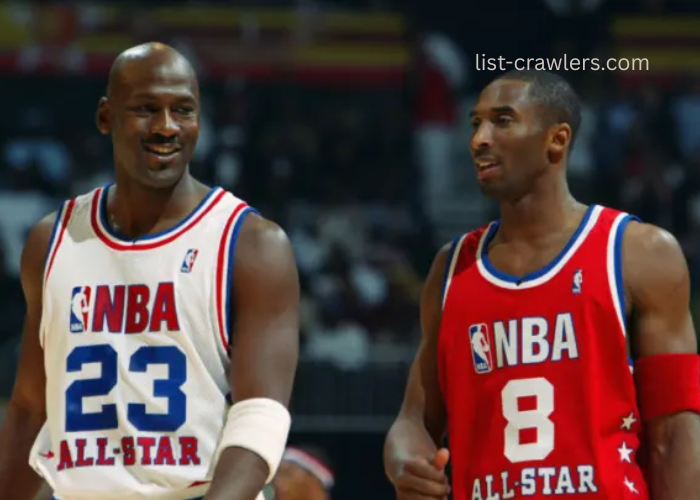
Michael Jordan’s final All-Star Game in Atlanta was rich with nostalgia.
Late in overtime, Jordan hit what seemed like a storybook game-winning fadeaway—only for the West to respond and ultimately win.
Though the East fell short, the night became a tribute to Jordan’s legacy. Players, fans, and commentators all recognized the symbolic passing of the torch to the next generation, including rising superstar Kobe Bryant.
2016 — Kobe Bryant’s Farewell Showcase
Bryant’s final All-Star Game in Toronto wasn’t defined by statistics but by reverence.
The global basketball community celebrated the career of one of the sport’s fiercest competitors. Teammates and opponents alike deferred to Bryant throughout the game, creating a farewell atmosphere rarely seen in professional sports.
It was a reminder that All-Star moments aren’t always about MVP trophies—sometimes they’re about legacy.
2017 — Anthony Davis Breaks the Scoring Record
Hosted in New Orleans, the 2017 game belonged to hometown star Anthony Davis.
Davis erupted for 52 points, breaking Wilt Chamberlain’s long-standing All-Star scoring record. His dominance inside and in transition powered the West to victory and earned him MVP honors.
The performance highlighted the evolving pace and scoring explosion of the modern NBA.
2018 — The Draft Era Begins
The 2018 All-Star Game introduced a new format: team captains drafting rosters playground-style.
Captained by LeBron James and Stephen Curry, the change revitalized competitiveness.
The game featured tighter defense and genuine late-game intensity—something critics had long said the All-Star Game lacked. LeBron’s clutch scoring down the stretch secured MVP honors and validated the new format.
2020 — The Kobe Tribute & Elam Ending
The 2020 All-Star Game in Chicago became one of the most emotional in history following Kobe Bryant’s passing weeks earlier.
The NBA introduced the “Elam Ending,” setting a target score instead of a game clock in the fourth quarter.
Team LeBron James vs. Team Giannis Antetokounmpo delivered playoff-level intensity. Charges were taken, full defensive possessions played out, and players dove for loose balls.
Kawhi Leonard earned MVP honors, but the real headline was the competitive spirit—arguably the fiercest in All-Star history.
2023 — Record-Breaking Offense
The 2023 edition showcased just how offense-driven the modern All-Star Game has become.
Team Giannis defeated Team LeBron 184–175, setting scoring records that reflected the league’s pace-and-space era.
Jayson Tatum scored 55 points—the most in All-Star Game history—earning MVP and cementing his place among the league’s elite young superstars.
The NBA All-Star Game isn’t just an exhibition—it’s basketball’s living highlight reel. It captures the league’s past, present, and future in one night of star power.
As formats continue evolving and new superstars emerge, fans can expect even more unforgettable moments—buzzer-beaters, scoring records, and emotional tributes that ensure the All-Star Game remains one of the sport’s most celebrated traditions.