

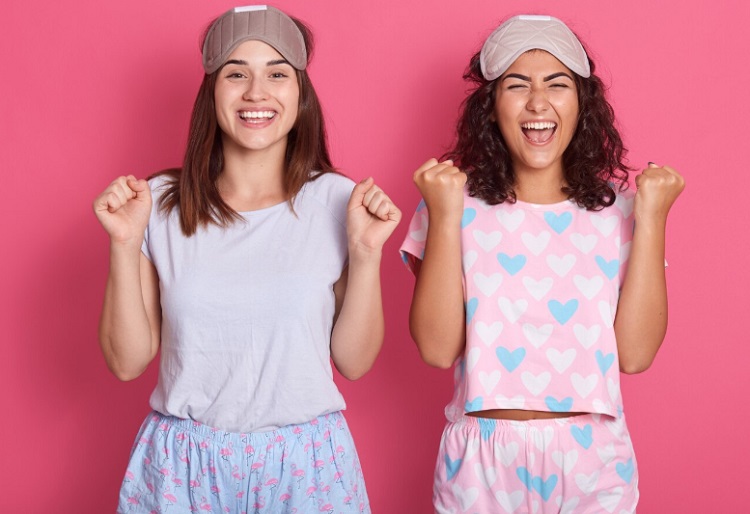
Comfort is the top priority when it comes to sleepwear and loungewear. Whether it’s for a full night’s rest or relaxing at home, the right fabric and design make a big difference. From soft, breathable materials to thoughtful cuts and seams, every detail plays a role in creating garments that help the body unwind and feel at ease.
The Importance of Comfort and Relaxation in At-Home Apparel
As demand for comfort-driven clothing grows, both consumers and manufacturers are paying closer attention to how sleepwear and loungewear are made. For consumers, comfort is no longer a luxury, it’s an expectation. People want clothing they can wear from evening to morning, or even throughout the day when working from home, resting, or doing light activities. They’re looking for products that are soft on the skin, non-restrictive, and allow for natural movement. If a pair of lounge pants feels too tight or a sleep shirt traps heat, it’s quickly replaced with something better.
For manufacturers and brands, this shift requires thoughtful product development. It’s not just about choosing soft fabrics, but about designing patterns that fit real bodies, adding flat seams to avoid skin irritation, and making sure waistbands, cuffs, and collars don’t dig in. Even small things like avoiding scratchy neck labels or using breathable thread can influence how often a customer reaches for a garment.
This change is especially relevant in products like two-piece pajama sets, relaxed-fit lounge pants, nightdresses, and oversized T-shirts. Consumers want value, but they also want functionality. That’s why producing comfort-first garments that perform well at home and not just look good on a shelf has become a key differentiator. For manufacturers, getting comfort right isn’t just about selling a product; it’s about winning long-term loyalty from people who wear those items daily.
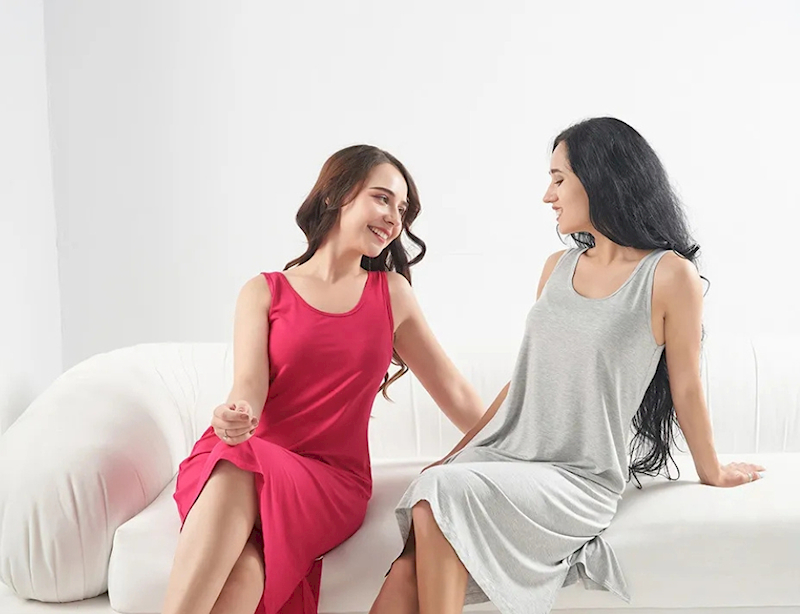
As demand for comfort-driven clothing grows, both consumers and manufacturers are paying closer attention to how sleepwear and loungewear are made
Ideal Fabrics for Sleep and Lounge Comfort
Ideal sleep and lounge fabrics must support both comfort and functionality. They should feel good from the first wear, maintain their quality over time, and align with brand expectations, whether for luxury loungewear or affordable everyday essentials.
Consumers want garments that feel soft, breathable, and lightweight, especially when worn for long hours or directly against the skin. From a manufacturing perspective, that means selecting materials that combine comfort, durability, and efficient production.
Cotton, especially in combed or organic form, remains a popular choice thanks to its natural breathability and familiarity. It is ideal for T-shirts, pajama bottoms, and children’s sleep sets, which is why a professional t shirt manufacturer often prioritizes fabric softness and wash stability, but cotton can retain moisture in humid conditions. That is why modal and bamboo viscose are gaining ground. They are smoother than cotton, wick moisture better, and drape well on the body, making them perfect for relaxed-fit tops, nightgowns, or lounge dresses.
TENCEL™ (lyocell) is also a strong option, offering a silky feel and hypoallergenic properties, especially useful for customers with sensitive skin. For cooler climates or winter collections, brushed cotton, French terry, or lightweight fleece provide warmth without overheating.
Blended fabrics such as cotton-modal or bamboo-spandex are widely used in production to enhance stretch, improve fit, and reduce shrinkage during washing. These blends also meet consumer demand for easy-care garments that hold shape after repeated wear.

Consumers want garments that feel soft, breathable, and lightweight, especially when worn for long hours or directly against the skin
Smart Designs and Sewing Techniques That Elevate Everyday Comfort
Smart design features and sewing techniques can make a big difference. For example, flatlock seams are commonly used in high-quality loungewear to minimize bulk and prevent skin irritation, a technique long familiar to any experienced sportswear manufacturer focused on performance, stretch, and comfort. Unlike traditional seams, they lay flat against the skin, which is ideal for sleep T-shirts, leggings, or long-sleeve tops. Tagless labeling and brushed inner stitching are also popular choices, especially for children’s sleepwear or garments made for people with sensitive skin.
Elastic waistbands with soft backing, adjustable drawstrings, and relaxed cuts allow freedom of movement without digging into the skin. Some brands also add gussets, drop shoulders, or side slits to improve flexibility and comfort when lounging or sleeping.
From the production side, many manufacturers are adopting seamless knitting for certain lounge garments like stretch shorts, tanks, or bodysuits. Seamless designs reduce the number of pressure points on the body, which increases overall comfort and makes the garments more adaptable to different body shapes.
In conclusion, true comfort in sleepwear and loungewear comes from the right combination of fabric, fit, and thoughtful construction. As consumer expectations grow, both brands and manufacturers must focus on breathable, skin-friendly materials and smart design features that support relaxation throughout the day and night. By prioritizing comfort in every detail from fiber selection to seam placement at-home apparel can deliver not only softness, but also long-lasting satisfaction and everyday ease.