

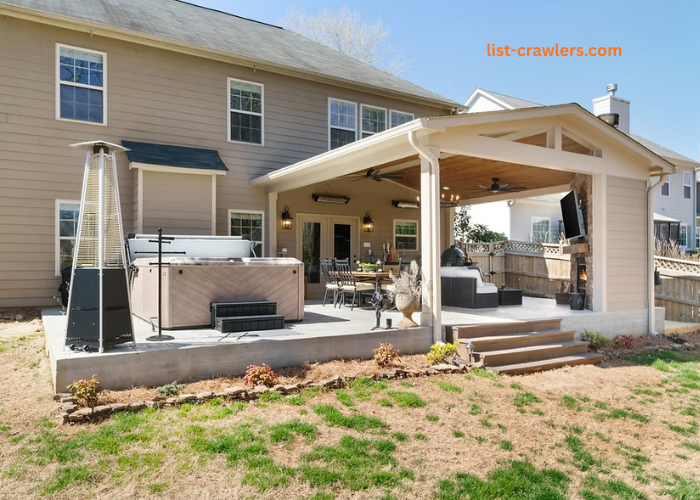
Backyards have a way of turning into storage space. A grill pushed against the fence. A plastic table that wobbles. A patch of grass worn thin where the kids run. For many families, the yard holds potential, yet it rarely feels organized enough to use every day.
Parents juggling work, school schedules, and weekend activities often ask a practical question: is upgrading the patio worth it, or is it just another project that drains the budget? The answer depends on how the space can support daily life, not just special occasions.
How can custom patios make everyday routines easier?
A thoughtfully designed patio creates structure in a yard that might otherwise feel scattered. Instead of dragging chairs in and out of the garage, seating has a defined place. Instead of balancing plates on a narrow ledge, there is room for a proper table where homework, snacks, and dinner can all happen.
Families exploring custom patios often discover that layout makes the biggest difference. A widened slab with clear walking paths prevents crowding when everyone heads outside at once. Defined zones for dining and lounging reduce the chaos of furniture constantly being rearranged.
Durability matters for households with kids and pets. Concrete or paver surfaces are easier to clean than grass after messy crafts or backyard picnics. They also hold up better under bikes, scooters, and outdoor toys. Over time, less maintenance translates into more usable hours and fewer weekend chores.
What role do patio covers play in long-term savings?
Sun exposure can limit how often a patio gets used, especially in southern states where summer heat climbs quickly. Adding custom patio covers changes that equation. Shade reduces surface temperatures, protects furniture from fading, and makes outdoor time possible even in the middle of the day.
From a financial perspective, covers can extend the life of outdoor furnishings. Cushions and fabrics deteriorate more slowly when shielded from constant UV exposure. In some cases, shaded patios also reduce heat transfer into the home, which may ease the strain on cooling systems during peak months.
Comfort is another consideration. Parents supervising children outdoors are more likely to stay outside if they are not sitting in direct sun. Covered areas can also provide light rain protection, allowing gatherings to continue despite unpredictable weather.
Is the investment practical for families focused on budgets?
Cost is always part of the conversation, especially for families who prioritize saving. The key is evaluating value beyond resale. A patio that supports regular use can reduce spending on outings. Hosting birthday parties at home instead of renting venues adds up. Casual dinners outdoors may replace more expensive restaurant trips.
Maintenance costs also factor in. A stable, well-built patio reduces the need for frequent repairs compared to makeshift setups. Choosing quality materials at the outset can prevent cracks and drainage issues that lead to additional expenses later.