

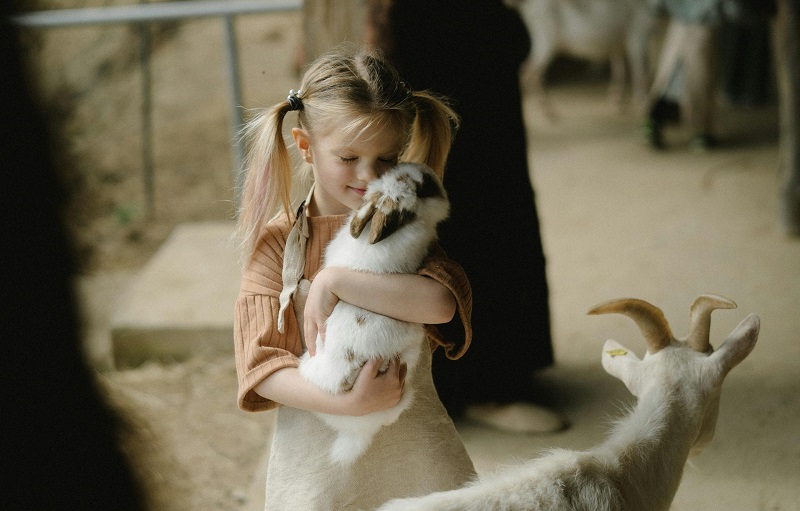
Live animal encounters can be a magical experience for children. The excitement of being near exotic creatures and learning about their lives leaves a lasting impact. However, this experience also demands maturity, understanding, and proper behavior from young participants.
Parents play a crucial role in preparing their children for such moments. Teaching them essential lessons beforehand ensures safety, respect, and enjoyment for both the animals and the children. With the right guidance, these programs, for instance, sloth encounters, become meaningful educational experiences that inspire compassion and responsibility.
Respect for Animal Boundaries
Children must understand that every animal has its personal space. Touching or approaching too quickly can cause stress or fear in the animal. Parents should explain that patience and calm behavior help animals feel safe. Observing from a distance first allows the child to read the animal’s comfort level. Explaining how animals use body language to express boundaries can help children identify when to stop or step back. Teaching them that respecting space builds trust helps them form positive connections with animals during future encounters.
Knowledge About Animal Behavior
Before visiting, parents can introduce their children to basic animal behaviors. Explaining signs of discomfort, curiosity, or calmness helps them interact appropriately. Recognizing these signals teaches empathy and awareness. A brief talk about each animal’s natural instincts adds educational value to the visit. Sharing examples of how animals communicate through sounds or movements deepens a child’s understanding of their emotions. Discussing the difference between wild and domesticated behavior also helps children grasp how the environment shapes animal reactions.
Importance of Following Instructions
Live encounter programs usually include professional handlers who give safety guidelines. Parents should teach children to listen carefully and follow every instruction. Ignoring directions can endanger both the animal and the child. Reinforcing the value of cooperation shows respect for the staff and the animals’ well-being. Explaining how trained handlers understand animal behavior better helps children trust their guidance. Teaching that rules are designed to protect animals and visitors builds discipline and encourages responsible participation.
Practice for Calm and Gentle Movements
Sudden movements or loud noises can alarm animals. Parents should emphasize that staying calm helps animals remain relaxed. Gentle actions and quiet voices create a safe atmosphere. This habit also encourages mindfulness, which allows children to connect better with the experience.
Basic Hygiene Rules
Parents should highlight hygiene as a vital part of sloth encounters or any other animal encounters. Before and after contact, children must wash or sanitize their hands. Keeping faces away from animals prevents accidental scratches or bites. Clean habits protect both children and animals from infections or irritations.
Kindness and Empathy
Children must learn that animals deserve care and kindness. Parents can explain that animals feel pain, fear, and happiness just like humans. Sharing stories or watching documentaries together strengthens emotional understanding. Such lessons build compassion that extends beyond the encounter itself. Encouraging children to volunteer at shelters or wildlife centers can nurture genuine empathy and responsibility. Discussing how human actions affect animal habitats further helps them realize the importance of protecting living creatures.
Observation Before Interaction
Before touching or approaching, children should observe how the animal behaves. Parents can teach them to watch body language carefully. Observation promotes respect and prevents unnecessary stress for the creature. It also helps children appreciate the details of animal communication.
Prepared with Knowledge
Children who understand more about the animals they meet engage more meaningfully. Parents can share fun facts about the species, their habitats, and diets. Knowledge encourages curiosity and reduces fear. It also teaches responsibility toward nature and wildlife conservation.
Useful preparation ideas:
- Read short books or watch educational videos about the animals in the program.
- Discuss what makes each animal unique and how humans can protect them.
Kids Must Respect Program Rules and Environment
Every encounter program has specific rules to ensure safety and animal comfort. Parents should discuss why these rules exist. Explaining the reasons helps children take them seriously rather than view them as restrictions. Respecting the environment, equipment, and staff fosters good manners and maturity.
Key points to remember:
- Always stay with the guide or within designated areas.
- Avoid feeding animals unless allowed by staff.
- Keep personal belongings secure to prevent distractions.
Parents Should Help Their Children Reflect After the Experience
After the visit, parents should encourage reflection. Asking what the child learned or enjoyed most reinforces lessons about respect and empathy. Reflection also helps children remember safety habits for future experiences. Sharing memories as a family deepens appreciation for animals and nature.
Teaching children essential lessons before live animal encounters, like sloth encounters, creates responsible young explorers. It turns excitement into meaningful learning and helps protect animals from harm. When guided with care and wisdom, children grow into compassionate individuals who value every living being.