

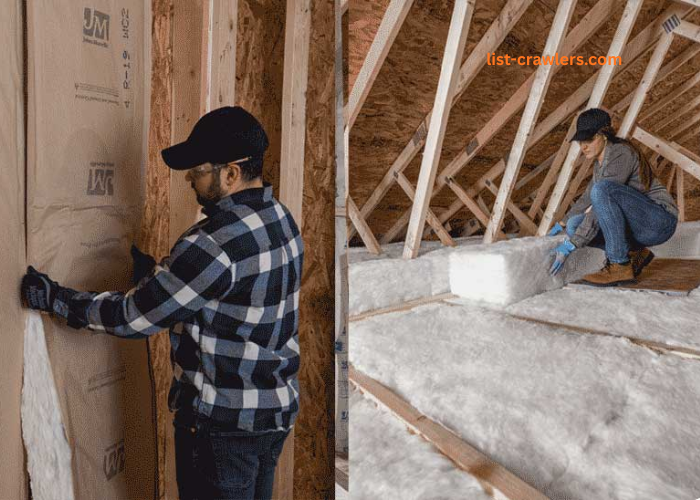
Ice dams are one of the most misunderstood winter roofing problems. Homeowners often hear the same explanation repeated: heat escapes into the attic, snow melts, water refreezes at the eaves, and the answer is more insulation. While insulation plays a role, contractors know that many ice dam cases persist even after insulation upgrades. That’s because ice dams are rarely caused by a single factor. They are the result of how heat, air movement, roof design, ventilation, and weather interact over time. Roofing contractors approach ice dam diagnosis as a system issue rather than a material shortage. Their job is to identify why heat reaches the roof surface unevenly and why meltwater has no safe path to drain, rather than defaulting to insulation as a one-size-fits-all solution.
What causes ice dams in the first place
Ice dams form when parts of a roof surface warm above freezing while the eaves remain cold. Snow melts upslope, flows downhill, and refreezes near the roof edge, creating an ice ridge that traps additional meltwater. Contractors look beyond insulation because this temperature difference can be caused by many factors other than missing insulation. Air leakage from the living space, poor attic airflow, blocked soffits, roof geometry, and even interior moisture loads all influence roof surface temperature. Contractors often start by mapping where ice forms and where it does not, because consistent ice patterns reveal how heat is moving through the structure. Valleys, dormers, skylights, and changes in roof pitch often show heavier ice buildup than simple straight runs. When homeowners request a quote after repeated winter leaks, contractors use these visual clues to determine whether insulation alone would actually change the heat flow pattern or whether deeper airflow and design issues are at play. Understanding the formation pattern is the first step toward identifying the real cause.
Air leakage is often more important than insulation
One of the biggest contributors to ice dams is warm air leaking from the home into the attic. Contractors know that even a well-insulated attic can suffer from ice dams if air sealing is poor. Warm air escaping through recessed lights, attic hatches, plumbing chases, duct penetrations, and wall top plates can raise localized roof temperatures enough to start snowmelt. This type of heat transfer is far more concentrated than conductive heat loss through insulation, which is why contractors focus heavily on leakage paths. They look for frost patterns on the underside of the roof deck, darkened insulation, or compacted insulation near penetrations, all of which indicate repeated warm-air contact. Air leakage also carries moisture, which can worsen ice-dam damage by creating wet insulation that loses effectiveness. Contractors explain that adding insulation on top of leaky air pathways can sometimes hide the problem without fixing it. Stopping the movement of warm air is often more impactful than increasing insulation depth alone.
Attic airflow and ventilation imbalances
Roofing contractors also evaluate how air moves through the attic, not just how much insulation is present. Proper airflow helps keep attic temperatures closer to outdoor conditions, reducing uneven roof warming. However, unbalanced or blocked ventilation systems can create dead zones where heat accumulates. Contractors inspect soffit intakes to see whether insulation is blocking airflow, and they examine ridge, gable, or roof vents to ensure exhaust is functioning as intended. In some homes, ventilation short-circuits, meaning air enters and exits near the same location without washing the underside of the roof deck. This leaves some roof sections warm while others remain cold, creating ideal conditions for ice dams. Contractors also consider how wind affects airflow, because certain vent configurations reverse flow under specific conditions. These airflow behaviors cannot be addressed by insulation alone, which is why contractors test ventilation effectiveness before recommending changes.
Roof design and geometry effects
Roof shape plays a major role in ice dam formation, and contractors pay close attention to design details. Valleys collect snow and concentrate meltwater, increasing the likelihood of refreezing. Dormers interrupt airflow and create shaded cold zones adjacent to warmer roof planes. Skylights and chimneys introduce heat sources that unevenly warm the surrounding roof sections. Contractors also evaluate roof pitch, as lower slopes retain snow longer and are more prone to ice buildup. Overhang depth matters as well; deep eaves stay colder because they extend beyond the heated envelope, making them prime refreezing zones. These design features explain why two houses with similar insulation levels can experience very different ice dam problems. Contractors use roof geometry analysis to determine whether targeted solutions, such as improved flashing, ice-and-water membrane placement, or ventilation adjustments, are more appropriate than simply increasing insulation thickness.
Interior moisture and heat behavior
Another overlooked factor in ice dam formation is the distribution of interior moisture and heat. Homes with high indoor humidity produce more moisture-laden air, which can migrate into the attic through small leaks. When this warm, moist air reaches cold roof surfaces, it releases heat and moisture, contributing to localized warming and frost buildup. Contractors look for signs such as damp insulation, stained roof decking, or mold-like spotting that indicate moisture movement rather than simple heat loss. They also consider how heat is distributed inside the home. Rooms with vaulted ceilings, fireplaces, or poor return-air pathways can cause warm air to rise unevenly. This concentrated heat often escapes into the attic area above, creating melt zones on the roof. Addressing these issues may involve adjusting ventilation fans, improving air sealing around high-heat areas, or correcting airflow imbalances inside the home, none of which are solved by insulation alone.
Why ice dams persist after insulation upgrades
Contractors are often called back to homes where insulation was added but ice dams continue. In these cases, the added insulation may have reduced overall heat loss while leaving specific hot spots untouched. If air leakage paths remain open, warm air will still reach the roof deck in concentrated streams. If soffits remain blocked, ventilation may worsen as insulation depth increases. Contractors explain that insulation upgrades must be paired with air sealing and ventilation corrections to meaningfully change roof temperature behavior. Otherwise, the home simply becomes better insulated around the same leakage pathways. Persistent ice dams after insulation work are a clear sign to contractors that the root cause lies elsewhere, often in airflow, design, or moisture control rather than insulation quantity.
The role of roofing materials and details
Roofing contractors also examine how materials and installation details affect the risk of ice dams. Dark roofing materials absorb more solar heat during the day, increasing the potential for melting. Inadequate ice-and-water protection at the eaves can allow trapped water to back up under shingles and leak into the home. Flashing details around valleys, chimneys, and dormers influence how meltwater moves once it forms. Contractors assess whether water is being given a safe exit path or forced to pool behind ice ridges. While these details do not cause ice dams, they determine the extent of the damage they cause. In some cases, improving water management details can reduce the consequences, even if minor ice formation still occurs. Contractors factor these elements into their diagnoses, so solutions address both the cause and the risk.
Roofing contractors identify the causes of ice dams by looking beyond insulation and examining how the entire building system behaves in winter conditions. They analyze air leakage pathways, attic airflow, ventilation balance, roof geometry, interior moisture, and heat distribution to understand why certain roof areas warm unevenly. Insulation remains important, but it is only one piece of the puzzle. Ice dams persist when warm air escapes through leaks, ventilation fails to regulate attic temperatures, or roof design concentrates snow and meltwater in vulnerable areas. Contractors use visible ice patterns, attic clues, and roof details to diagnose these interactions and recommend targeted solutions that actually change roof temperature behavior. By addressing airflow, sealing, ventilation, and design factors together, they reduce ice dam formation more effectively than simply adding insulation and hoping for a different outcome.