

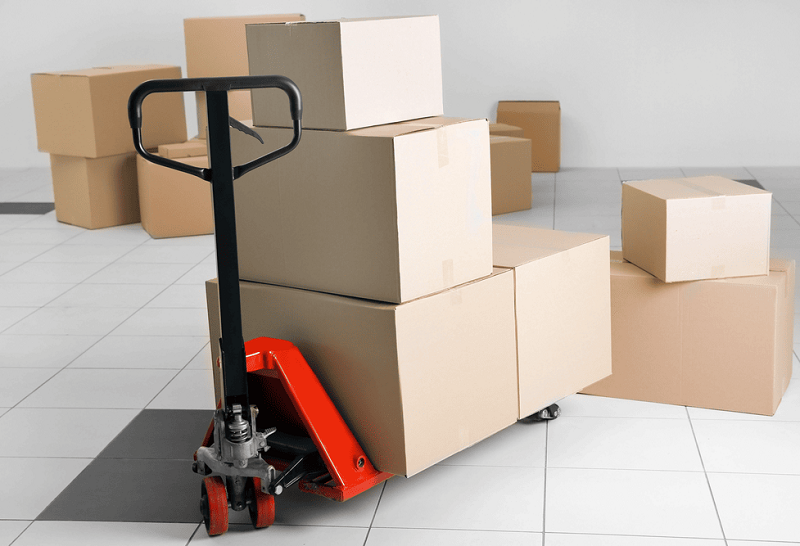
When customers plan and especially perform an interstate move, they commonly hear that the ultimate price will depend on “the weight of the move.” The following question immediately arises: how do relocation companies determine move weight, and why is weight such an important factor?
This will help customers set realistic weights and be better educated on their moving estimate as a result. A list of what determines weights and tips for preparation for customers will be provided below.
Why Weight Matters in Moving Costs
Weight is closely related to the price, especially when it comes to “long-distance and interstate moves.” The greater the weight, the greater the amount of fuel, manpower, and time needed to transport the load.
Weight-based pricing is commonly used for:
- Long-distance residential moves
- State-to-state moves
- Housekeeping decisions concerning many people
- Shipments traveling hundreds or thousands of miles
Containers carrying goods over an average of hundreds to thousands of miles. In local moving, most moving companies charge based on hourly rates rather than weight.
The Main Methods Moving Companies Use to Estimate Weight
Moving companies rely on a few standard methods to estimate or calculate shipment weight before and during a move.
-
Visual or In-Home Survey
One of the most accurate ways to estimate weight is through an in-person survey.
During this process, a moving specialist:
- Walks through the home
- Note the number of rooms
- Evaluates furniture size and type
- Considers garages, basements, and storage areas
- Accounts for packed boxes and loose items
Based on experience and industry averages, the mover estimates the total shipment weight. This method is especially helpful for larger homes or complex moves.
-
Virtual Moving Estimates
Many companies now offer virtual surveys using video calls or customer-submitted photos.
With a virtual estimate, movers:
- Review each room remotely
- Ask questions about furniture and belongings
- Estimate box counts and large items
- Include storage areas often overlooked
While slightly less precise than in-home surveys, virtual estimates are convenient and still fairly accurate when done thoroughly.
-
Weight by Inventory and Average Item Values
Moving companies also estimate weight using standardized averages.
For example:
- A furnished room typically weighs between 1,000 and 1,500 pounds
- A one-bedroom apartment often averages 2,000–3,500 pounds
- A three-bedroom home may weigh 8,000–12,000 pounds
Movers use detailed inventories combined with these averages to calculate estimated weight.
-
Actual Weighing on Certified Scales
For interstate moves, the most accurate weight is determined after loading.
The process includes:
- Weighing the empty moving truck
- Loading the shipment
- Weighing the truck again
- Calculating the difference
This method provides the official shipment weight used for final billing. Customers can usually request copies of the weight tickets for verification.
What Items Add the Most Weight
Some household items weigh far more than people expect.
Common heavy items include:
- Solid wood furniture
- Appliances
- Books and paper files
- Exercise equipment
- Large electronics
- Storage boxes filled with dense items
Basements, garages, and storage units often add significant weight if not accounted for during estimates.
How Customers Can Reduce Shipment Weight
Lowering shipment weight can help reduce moving costs.
Helpful strategies include:
- Decluttering before the move
- Donating or selling unused furniture
- Avoid packing heavy items unnecessarily
- Disposing of old books, papers, or broken items
- Moving some personal items separately
Even small reductions can make a noticeable difference for long-distance moves.
Common Mistakes That Lead to Inaccurate Estimates
Weight estimates can change if information is missing or incomplete.
Common issues include:
- Forgetting storage areas
- Adding items after the estimate
- Underestimating box counts
- Not disclosing heavy or specialty items
Clear communication with the moving company helps avoid unexpected changes to the final cost.
How Professional Movers Use Weight Estimates
Reputable companies use weight estimates to:
- Plan truck size
- Allocate labor
- Schedule delivery timelines
- Calculate fuel and transport costs
- Provide transparent pricing
Companies like Move4U rely on detailed surveys and clear communication to ensure estimates are as accurate as possible, helping customers plan their move with confidence.
Final Thoughts
Learning about how moving companies calculate the weight will demystify the process of moving costs. Through on-site estimations, online estimations, or certified scale weighing, weight computation is standardized.
Through decluttering before moving, providing accurate information, and partnering with professional movers such as Move4U, consumers are able to avoid surprises throughout their move. Understanding how weight is calculated can do more than just provide assistance. It’s one of the most important aspects of successfully relocating.