
Spider veins are a common aesthetic concern for many individuals, manifesting as small, thin red, blue, or purple lines on the skin. Although typically harmless, their presence can affect self-esteem and prompt individuals to seek effective treatments. For those in the area, spider vein removal in Grand Rapids offers professional solutions to address these concerns safely and effectively. In this text, we will explore the nature of spider veins, the medical and home treatment options available, and when it is crucial to consult a healthcare professional.
Understanding Spider Veins
What Are Spider Veins?
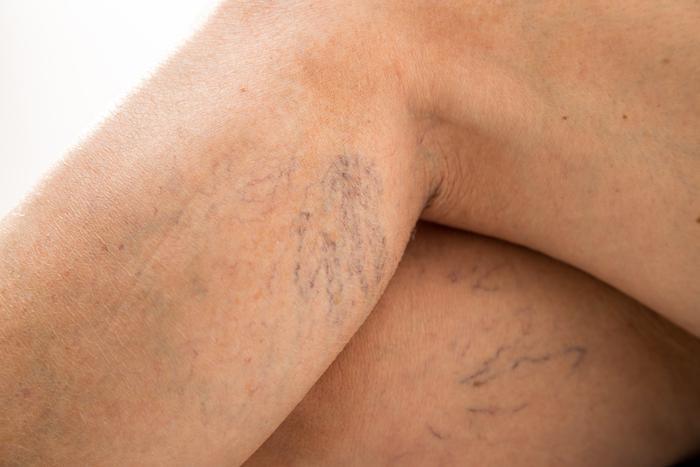
Spider veins, also known as telangiectasia, are small, dilated blood vessels that appear close to the surface of the skin. They often resemble a web-like pattern or tree branches and can occur anywhere on the body but are most commonly found on the legs and face.
Although spider veins are generally not painful, they can lead to feelings of self-consciousness and discomfort for some individuals.
Causes and Risk Factors
Several factors can contribute to the development of spider veins. These include:
- Genetics: A family history of spider veins may increase one’s likelihood of developing them.
- Hormonal Changes: Hormones, especially during pregnancy, puberty, or menopause, can affect the walls of blood vessels.
- Age: As skin ages, it loses elasticity, making veins more visible.
- Sun Exposure: Overexposure to UV rays can damage skin and blood vessels, leading to spider veins, particularly on the face.
- Obesity: Excess weight can put additional pressure on veins, leading to their enlargement.
- Prolonged Sitting or Standing: Occupations that require long periods of sitting or standing can hinder circulation and contribute to spider vein development.
Medical Treatments for Spider Veins
Sclerotherapy
Sclerotherapy is one of the most common medical treatments for spider veins. This procedure involves injecting a solution into the affected veins, which causes them to collapse and gradually fade from view. Patients may experience mild discomfort during the procedure, but recovery time is often quick.
Laser Treatment
Laser treatment uses focused light to target and eliminate spider veins. The heat from the laser damages the vein walls, leading to their reduction. This method is typically effective for smaller veins and often requires multiple sessions for optimal results.
Endovenous Laser Therapy (EVLT)
Though primarily used for larger veins, Endovenous Laser Therapy can also help treat spider veins. This minimally invasive procedure involves inserting a laser fiber directly into the vein, resulting in its closure. Patients can expect a quick recovery with minimal discomfort.
Radiofrequency Ablation
Similar to EVLT, radiofrequency ablation uses heat generated from radio waves to treat spider veins. The heat causes the affected vein to collapse and be reabsorbed by the body. This method is effective and often preferred due to its quick recovery time.
Home Remedies and Lifestyle Changes
Dietary Adjustments
Making specific dietary changes can play a significant role in reducing the visibility of spider veins. Foods rich in vitamin C, such as oranges and spinach, help strengthen blood vessel walls. Also, incorporating foods high in fiber can improve circulation and prevent constipation, which may contribute to vein issues. Staying hydrated is also essential to maintain healthy circulation.
Exercise and Physical Activity
Regular physical activity can benefit overall vein health. Activities that promote circulation, such as walking, cycling, or swimming, can help alleviate pressure on the veins. Strength training can also bolster leg muscles, aiding in proper blood flow back to the heart.
Compression Stockings
Wearing compression stockings can provide support for veins and enhance circulation in the legs. These specially designed stockings apply pressure to the limbs, which can help reduce the appearance of spider veins and minimize discomfort during prolonged sitting or standing.
When to Seek Professional Help
Identifying Serious Conditions
While spider veins are typically benign, they can sometimes indicate more serious underlying issues, such as chronic venous insufficiency or blood clots. Individuals should seek professional advice if they notice symptoms such as significant swelling, pain, or changes in skin color around the veins.
Consultation and Diagnosis
If spider veins become a concern, consulting with a healthcare professional is vital. They can diagnose the condition through physical examinations and, if necessary, recommend further tests, such as ultrasounds. Early diagnosis ensures that any potential complications are managed effectively.
Conclusion
Spider veins, while often considered a cosmetic issue, can impact an individual’s quality of life. Understanding their causes and knowing the available treatment options can empower individuals to make informed decisions about their care. From medical treatments to lifestyle changes and home remedies, various approaches can help reduce the appearance of spider veins. Anyone concerned about their vein health should consult with a healthcare professional to discover the best path forward.